Wood cladding, galvanised steel, glazing: how these materials age and what minimal maintenance really involves over time.
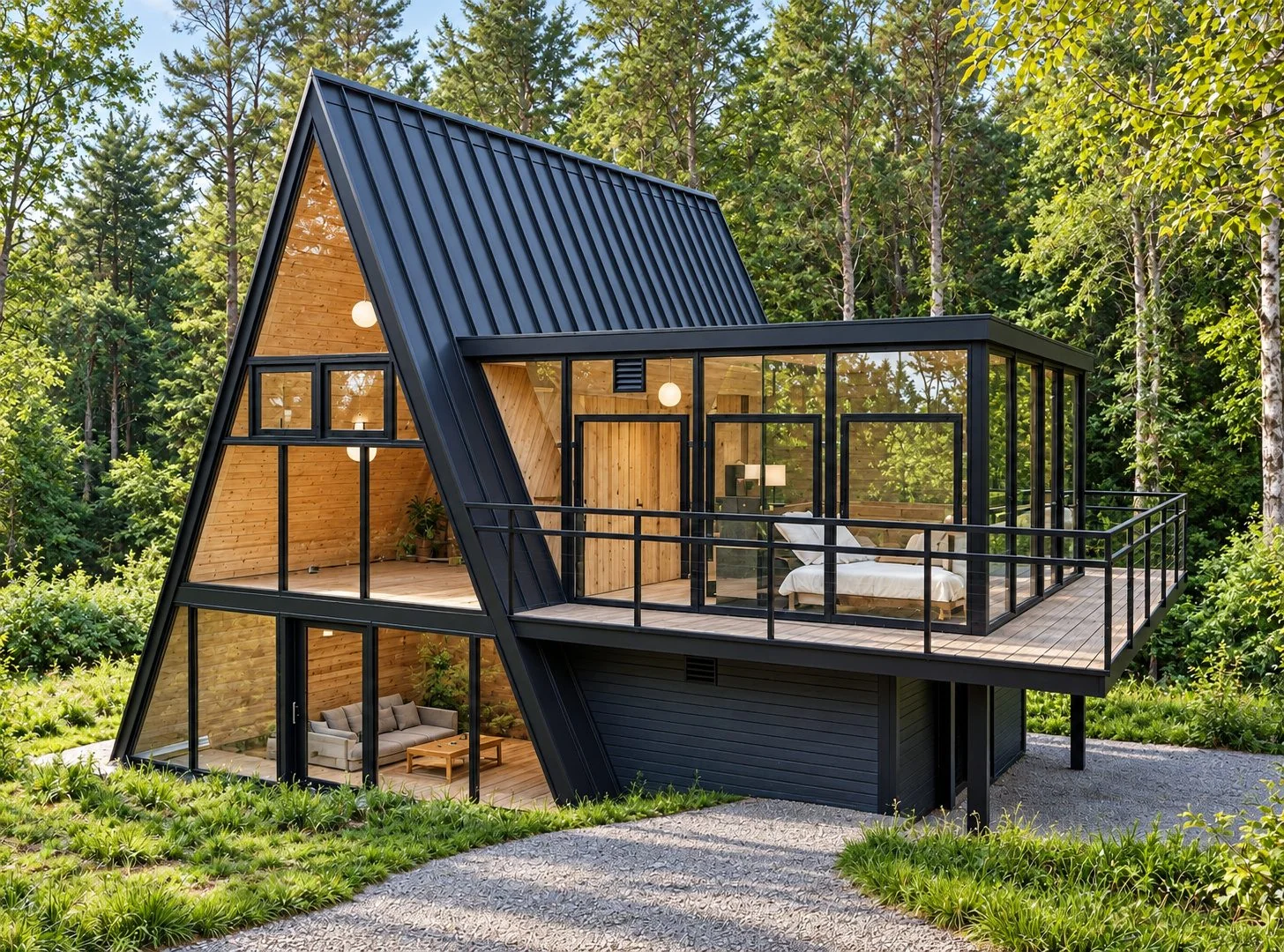
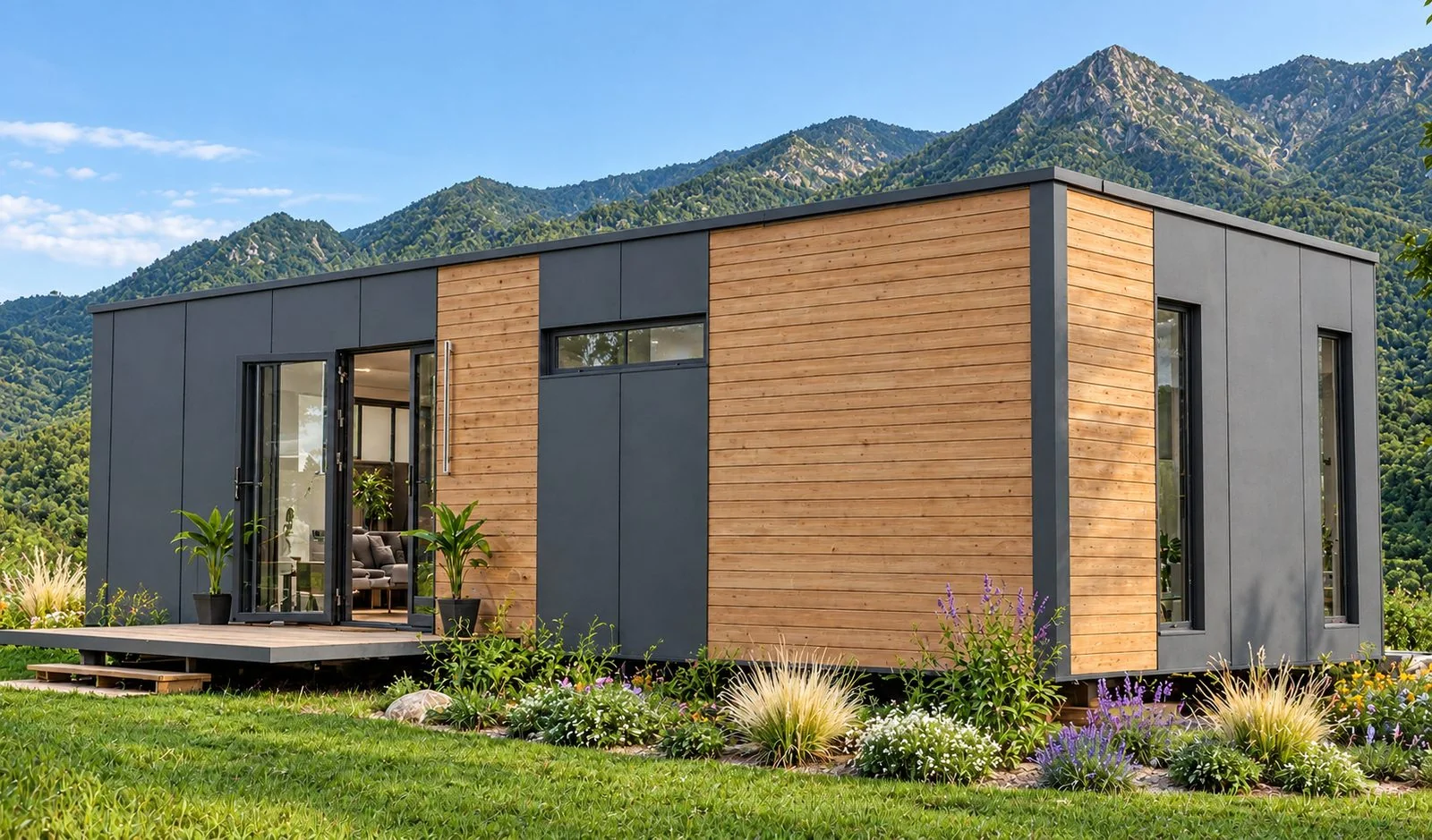
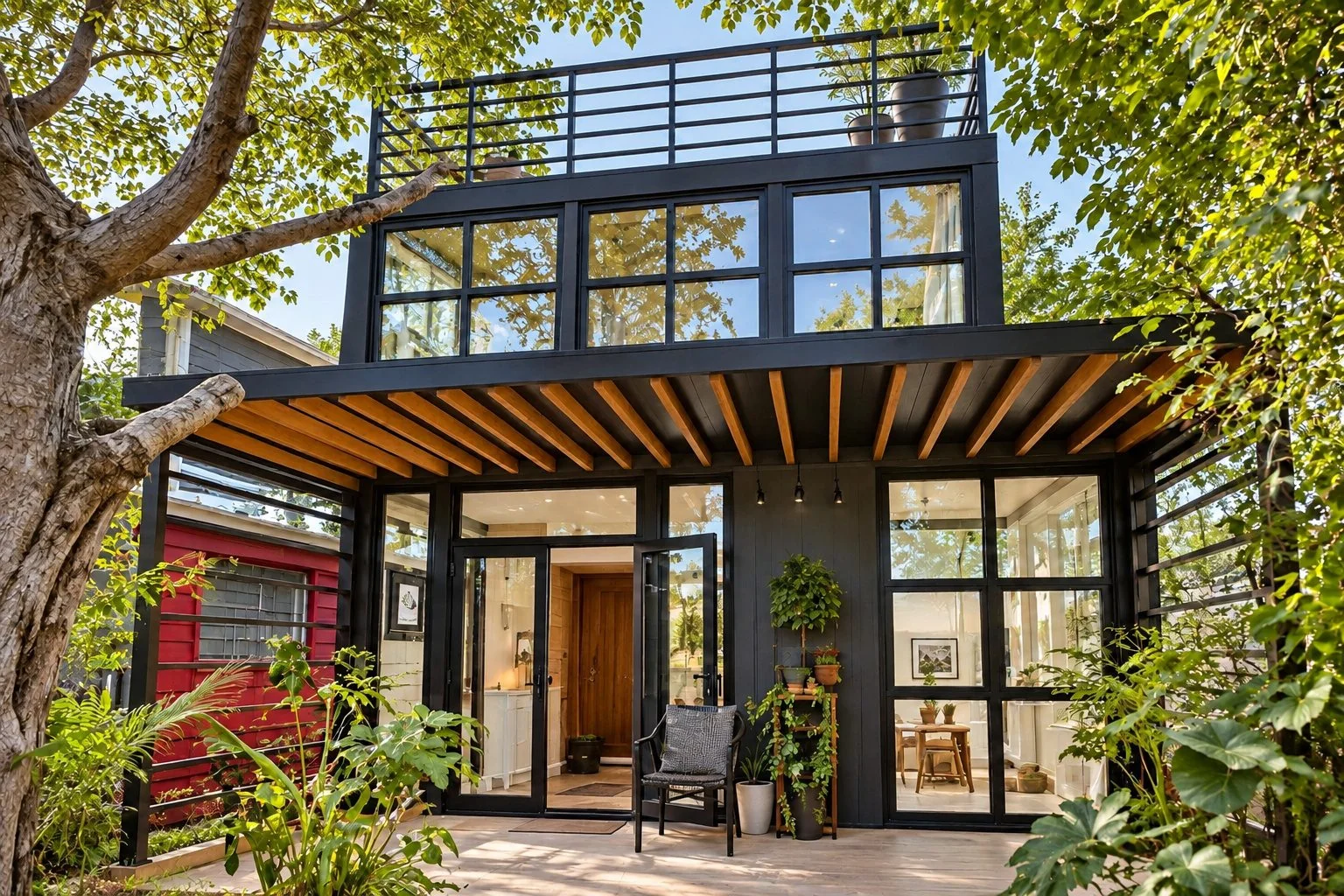
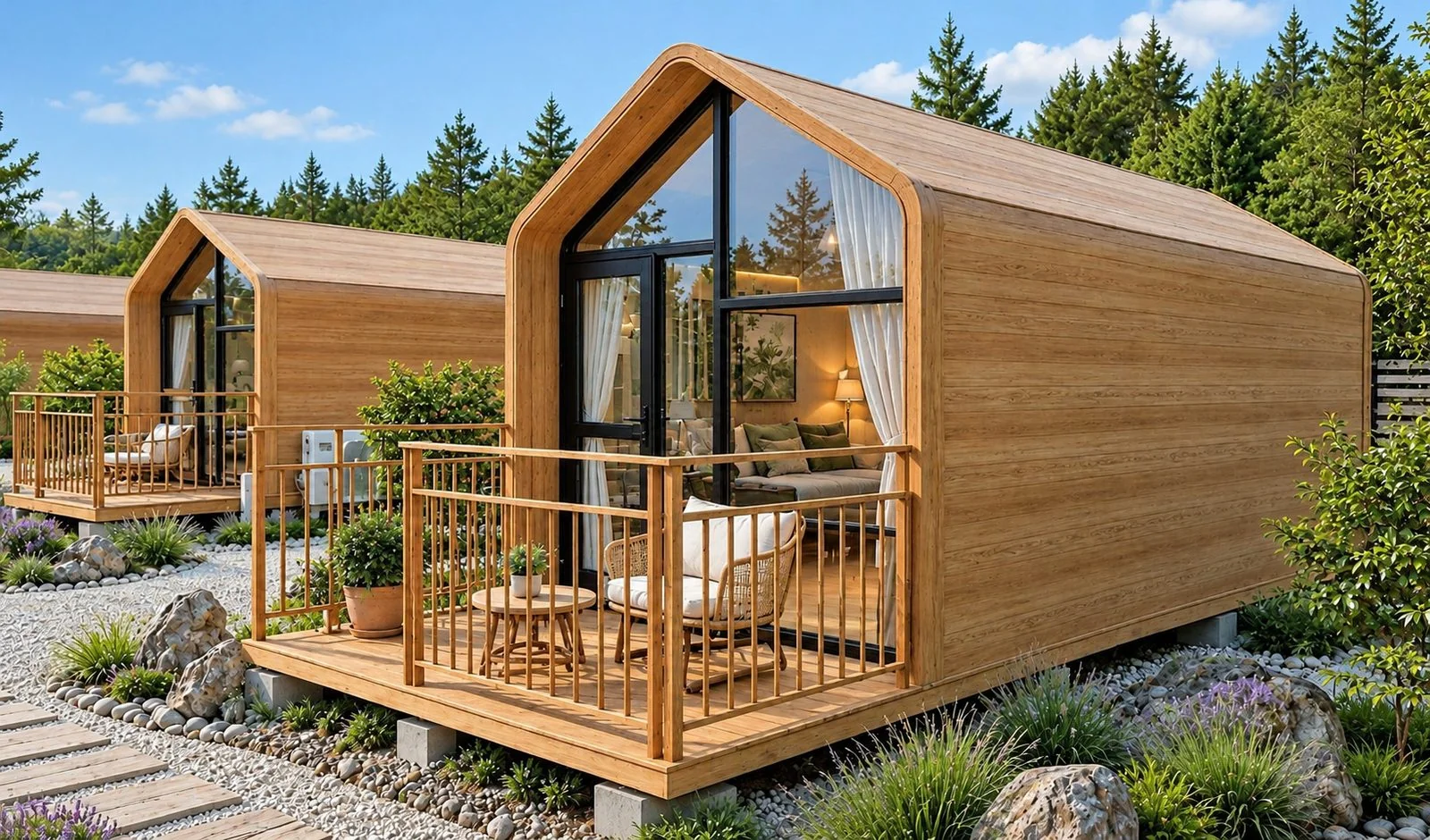
Galvanised steel structure, treated wood cladding, large glazed openings: in a previous article we explained why these three materials make up the envelope of an AIIA modular home. The question that follows is a different one: how does each of them behave once the home is installed, year after year, and what does that really demand in return? That question, and that question alone, is what this article addresses: we will not go back over the composition already explained in wood, steel, glass: understanding the materials of sustainable architecture.
Understanding the subject
Exterior wood cladding is not assessed uniformly: the sector's professional standards (notably the technical document FD P 20-651) classify it by use class, which depends on the species used, the design of the cladding (ventilation, water drainage) and the local climate. Some species naturally meet their use class; others need a preservative treatment to reach it. Over time, the façade turns grey under the combined effect of UV rays and repeated contact with moisture: this patina is a normal evolution of the material, not a defect, provided the wood never stays damp for long periods, which depends directly on the quality of the installation detailing (ventilation behind the cladding, water drainage).
The hot-dip galvanised steel structure relies on a different principle: a zinc coating applied in the factory protects the steel from corrosion, and this protection is backed by nearly a century of experience in the steel construction sector. How long it lasts depends on the exposure environment (a seafront façade and a sheltered façade do not age at the same rate), but under normal conditions, hot-dip galvanised steel needs no periodic maintenance to remain protected, unlike simply painted steel, which requires regular repainting.
Going further
Glazing follows a third logic. In high-performance insulating double glazing, the low-emissivity coating that limits heat loss sits inside the sealed glazing unit itself, on a protected face between the two panes: it therefore never comes into contact with outside air or with any cleaning product. What will determine the real service life of the glazing is the integrity of the double-glazing seal itself, the criterion governed by the EN 1279 standard: as long as it is intact, thermal performance remains stable. Its warning sign is visual and unambiguous: mist or condensation appearing between the two panes, rather than on their outer faces, indicates a loss of seal.
These three materials therefore call for two very different kinds of vigilance, which it is useful not to confuse: an expected and harmless aesthetic evolution (the patina of the wood) on the one hand, and functional performance points to monitor (the steel's corrosion protection, the glazing seal) on the other. What we cannot state today, however, is an AIIA-specific maintenance protocol with recommended frequencies or products: this information is not publicly documented to date. Rather than improvise a generic answer, we prefer to say so clearly and invite you to ask us directly about your model.
Practical advice
Three principles remain transferable, whatever the manufacturer: never let an exterior wood surface stay damp for long periods, and check that the installation detailing (ventilation, water drainage) allows for this; do not interpret the natural greying of wood as a defect, unless it is accompanied by softening or cracking of the wood itself, which then calls for a professional opinion; and watch for mist appearing between the panes of double glazing, the only reliable sign of a loss of seal, rather than the mere presence of dust on the outer faces.
These guidelines do not replace a professional opinion on a specific case, but they make it possible, on any modular home, to distinguish what is a normal evolution of the material from what deserves to be checked. Each AIIA home is also covered, from delivery, by documented guarantees on the structure, watertightness and installations, the full details of which are on our trust and certifications page.