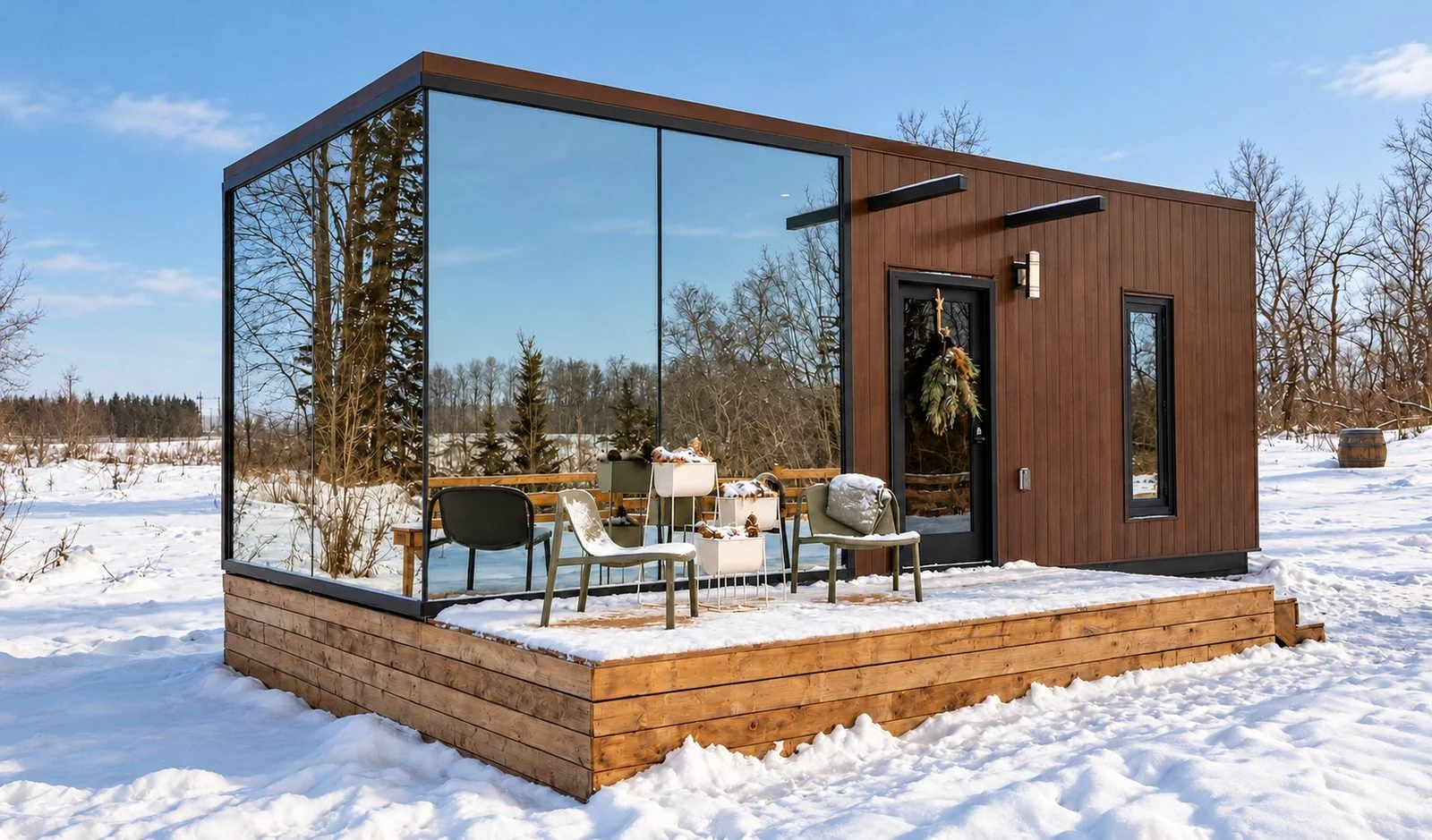
Is a modular office a credible alternative to a conventional extension? No invented timescales, just what to compare before requesting a quote.
When a company needs additional professional space, whether offices, a meeting room, a reception area or a coworking space, the first option that comes to mind is often still a conventional building extension. Does a modular office really meet the same need, without the constraints of a lengthy traditional building site? That is the question to settle before comparing two quotes, rather than afterwards.
Understanding the subject
Before comparing solutions, you first need to clarify what you are really looking for. A company short of professional space may need very different things: an independent office for a growing team, an additional meeting room, a shared coworking space, or a visitor reception area separate from the existing premises. The right sizing of the space depends on this precise use, not only on the number of square metres available.
A conventional building extension, by contrast, involves a building site on the company's own premises: possible earthworks, structural work, fit-out work, then finishes, with the disturbance (noise, dust, disrupted access) that comes with a lengthy building site on an operating site. This is not down to a poor contractor: it is the very nature of a construction carried out entirely on site, from start to finish.
Going further
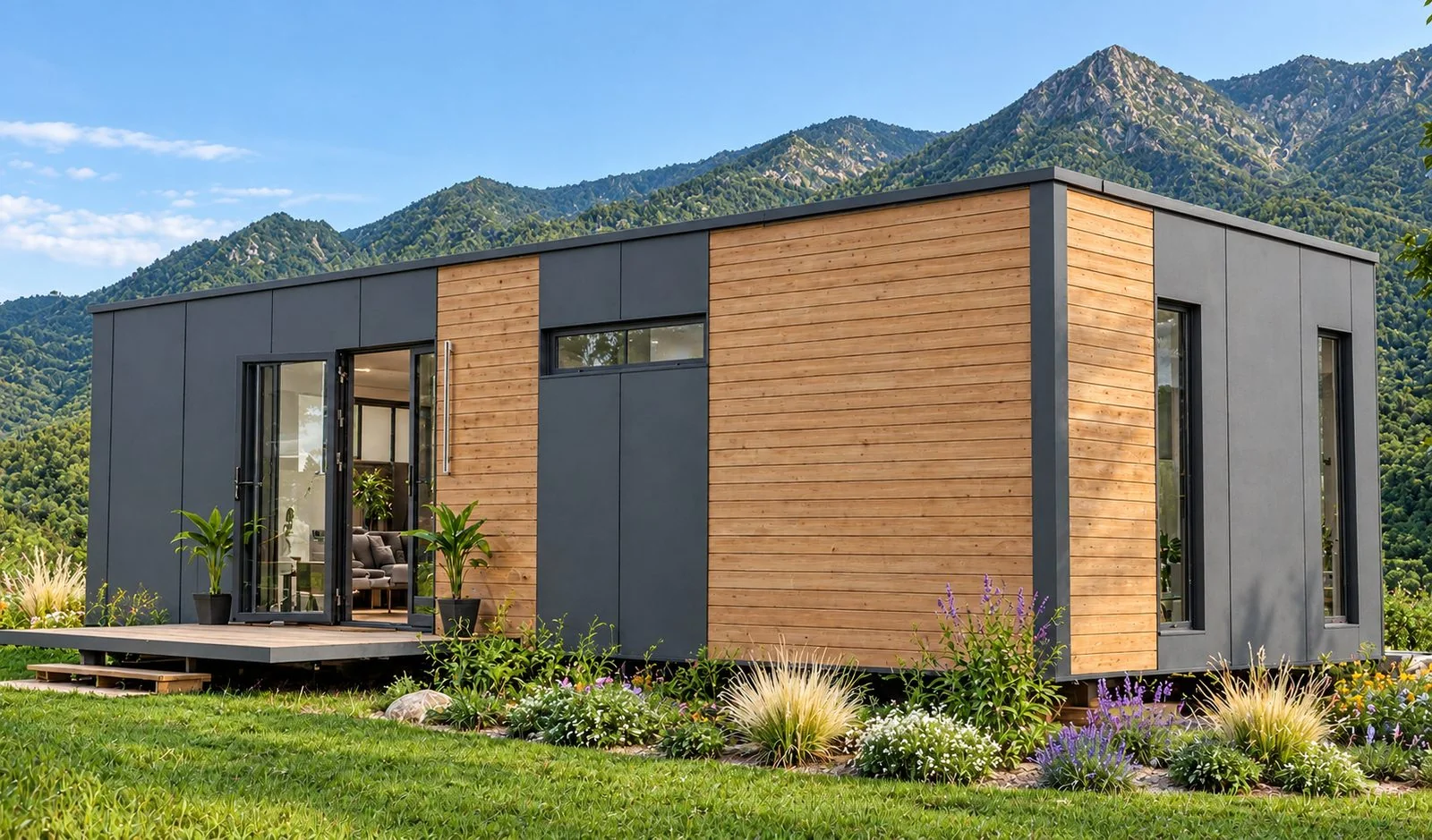
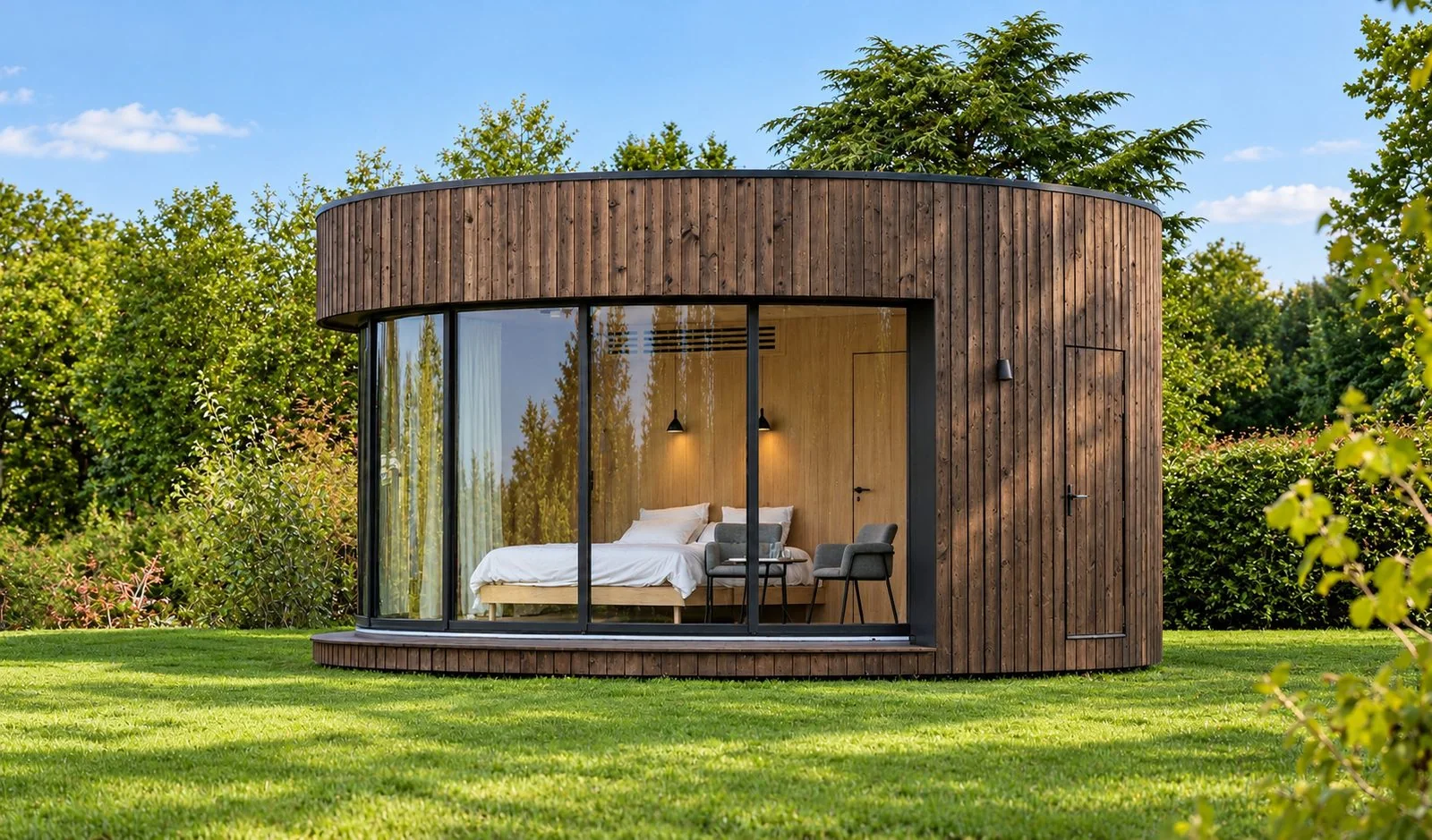
A modular office changes part of this equation, without changing its objective. The volumes are built in the workshop and then installed on the company's site, which limits the share of the work carried out directly on site, with an installation presented as quick and without major works. Thermal and acoustic insulation, highlighted as a strong point of this offer, meets a concrete need of an office: the calm needed for concentration, in a space that can also be customised (layout, finishes) to suit the company's activity and image.
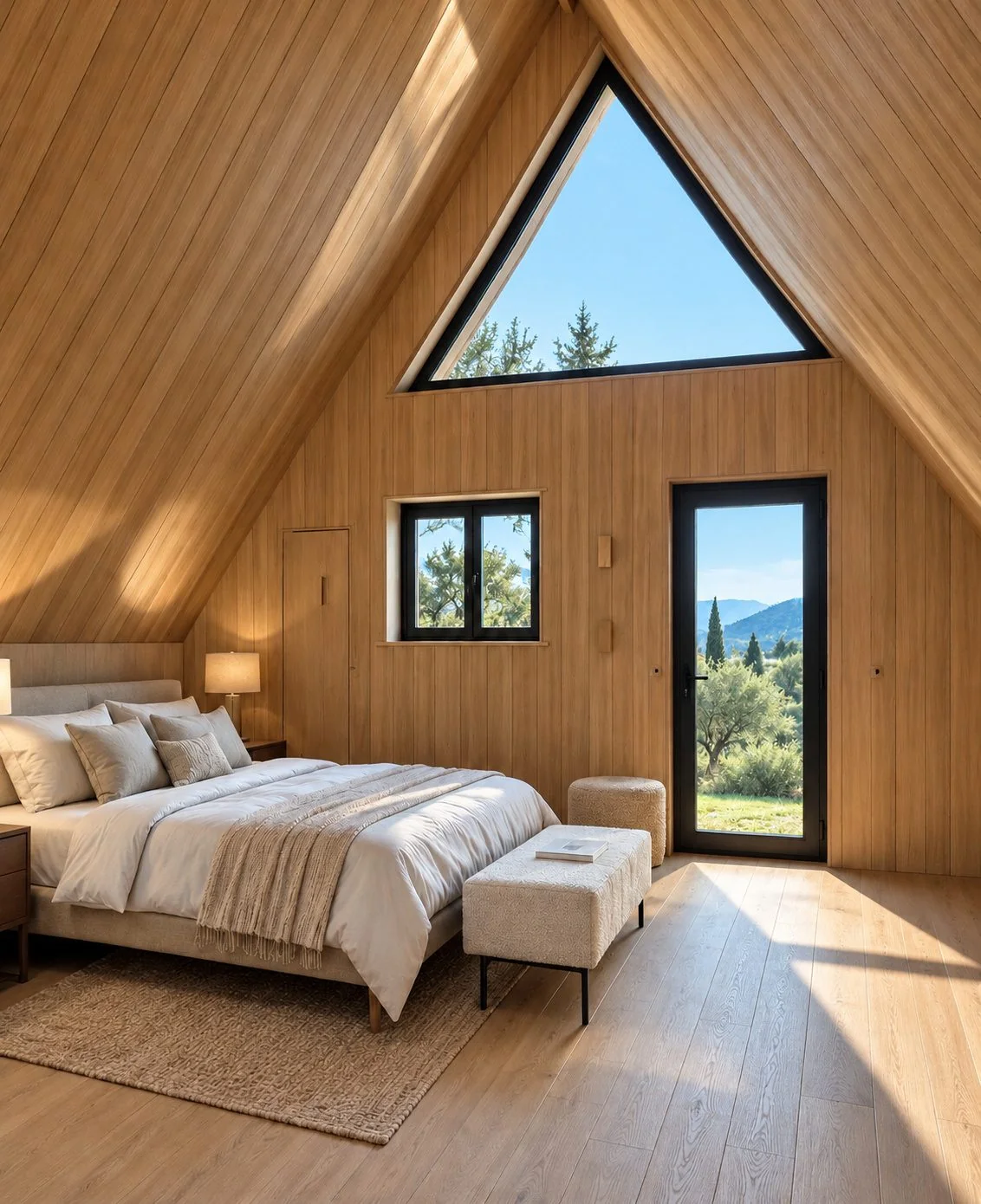
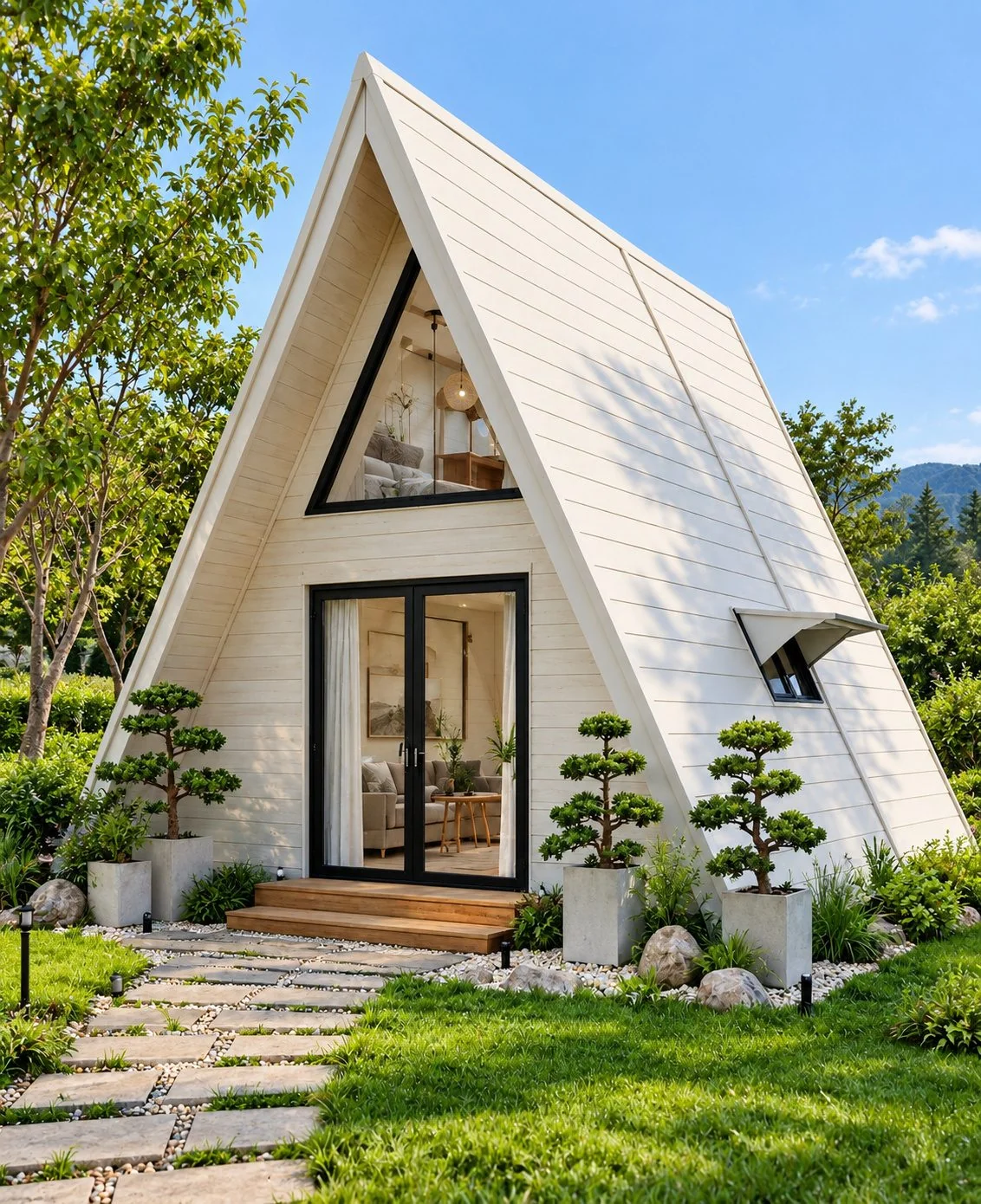
Two AIIA ranges meet different needs in this sector: the Tiny Collection, compact and full of light, for an independent office or a meeting room; the Maison Collection, for more generous coworking or reception spaces. Both share the same logic of mobility and scalability: moving or enlarging the space remains possible if teams change, an advantage that a conventional building extension, fixed to its plot, does not offer in the same way.
Practical advice
What the modular offer does not change, however, is the scope of the project itself. The land on which it is sited, the connections to public networks and the administrative formalities remain, as for any AIIA project, the company's responsibility, coordinated with a local professional. Build times are not published as a figure: they are stated when the quote is drawn up, not given generically before the project has been defined.
Comparing a modular office with a conventional extension therefore means asking the right questions before the price: what real use (independent office, meeting room, coworking, reception), what scope is included in the offer, and which formalities remain the company's responsibility. AIIA offers to study these needs sector by sector through its Offices and professional spaces offer.